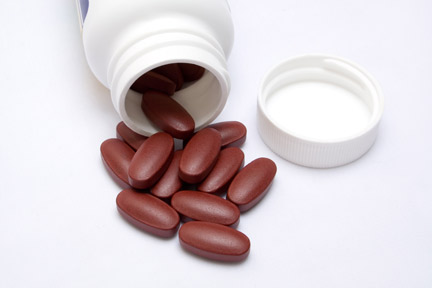
It is no wonder that synthetically compounded additives in pet foods can be a little repulsive to our pets’ super sensitive smell and taste causing both palatability issues as well as digestive upset.
In order to make these unnatural elements made in chemical
plants palatable and tolerable in pet food, many contain added sucrose for
taste as well as hydrolyzed protein which is a hidden form of MSG. And
besides these taste enhancers in man-made vitamins and minerals, most so called
“Natural Flavorings” not only contain hydrolyzed protein (MSG) but many contain
the synthetic chemical, Sodium Acid Pyrophosphate. Not only is this is not
disclosed on the label, neither is the hydrolyzed protein and soy found in most
“Natural Flavor” ingredients. Read more about “natural” pet foods on Nature’s Logic FAQ page.
Many people, possibly even you, have experienced nausea
after taking vitamin pills. If this is the case, just think about your pet being
fed a commercial diet, which has 20 to 26 different, added synthetic vitamins,
minerals and amino acids in every meal. The reason for the nausea is because
these elements are toxic. Purina Mills (PMI), since July has recalled over 100 of
its animal feeds due to excessive levels of added Vitamin D3. Excessive D3 can be toxic and even lethal at certain levels.
Since 2006, Nature’s Logic has made available for pets a
full line of pet foods that supply all essential nutrients from all natural,
whole foods. We never add synthetic vitamins, minerals, or amino acids made in
chemical plants, which need added sucrose and MSG to make them tolerable to
pets. Making nutritious diets from quality ingredients has not only been proven
to be healthier for pets, but also safer in the light of many pet food recalls
due to excessive added vitamins or minerals, which on numerous occasions have
lead to pets illness or even death. Pets love Nature’s Logic and thrive on it,
and we believe it is because they are getting nothing but real food.
Read a Real Life Story of Supplement Free Pet Food.


