|
Friday, March 15, 2013
Things to Consider About Cat Food


Saturday, January 12, 2013
Do Single Protein Diets for Pets Really Exist?
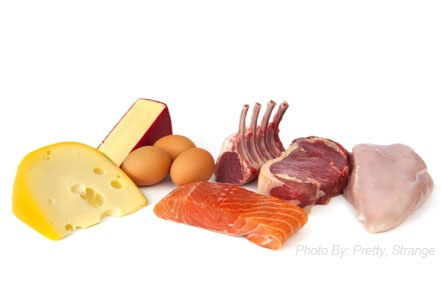
From Scott Freeman, founder and owner of Nature's Logic:
This is a true story. In talking with a dog food plant that makes kibble for private labels, a customer came to them with a formula, which included “dehydrated chicken”. When the pet food company was ready to begin production, they asked the customer to supply them with the dehydrated chicken since they did not have this ingredient. The customer told the dog food plant to just use chicken meal. The plant explained they could not do that because chicken meal cannot be called dehydrated chicken. The customer asked why they couldn’t; because this is the way he was going to differentiate his food from other foods.
This is a true story. In talking with a dog food plant that makes kibble for private labels, a customer came to them with a formula, which included “dehydrated chicken”. When the pet food company was ready to begin production, they asked the customer to supply them with the dehydrated chicken since they did not have this ingredient. The customer told the dog food plant to just use chicken meal. The plant explained they could not do that because chicken meal cannot be called dehydrated chicken. The customer asked why they couldn’t; because this is the way he was going to differentiate his food from other foods.
It seems the customer was trying to be different without
being different at all. Only on the false label would he have been different.
In the pet food industry we have all seen this battle to
differentiate. Grain free diets come out using potato. Then another grain free
diet comes out using tapioca, saying why tapioca is better than potato and yet
another grain free diet is released using peas instead of potatoes, explaining why
peas are better. Etc., etc., etc.
Now that the grain free buzz has saturated the market,
single protein limited ingredient diets are starting to make their debut. Why?
Well of course, to show that a brand is different and then create marketing
around it to reel in customers.
Friday, November 9, 2012
Is Grain-Free Really Better?

Dog and cats are naturally carnivores receiving the majority of their required nutrients from meat. This has lead pet food manufactures to create grain-free formulas for both dogs and cats promoting that it is healthier and more natural. However, while grain-free manufacturers are migrating away from including grains in pet foods, they are instead using other starch ingredients such as potato, tapioca, peas or chickpeas.
While some in the pet
community will advocate grain-free foods as better for pets a question arises.
Are potatoes, chickpeas, and tapioca really biologically-appropriate foods for
dogs and cats? And though they may be grain-free they are still a starch and
these starches are a major source of carbohydrates and sugar in dry kibble pet
foods and often linked to various pet allergies or health issues.
Dogs and Cats are NOT Naturally
Grain-free
In the wild meat-eating
predators consume nearly their entire prey, including the intestines. This
supplies them with additional nutrients from predigested fruits, vegetables and
yes, grains, in the stomach of their prey, and from the little that they will
forage in the wild. So actually the most natural diet for dogs and cats is not
one that is grain-free, but rather one high in animal protein and low in
carbohydrates.
Starch
and its Purpose in Pet Food
A starch is a complexcarbohydrate found chiefly in seeds, fruits, tubers, roots and stem pith ofplants, notably in corn, potatoes, wheat, and rice¹. Grain-free kibble brands
still contain starch from one or more of these sources, not because of the
nutritional value, but because it makes the kibble stick together and hold its
shape.
If you as a pet parent
have decide to feed your pets dry kibble for whatever reason, (cost,
convenience, etc.) but some form of starch is required to help kibble keep its
shape, then is there a healthy starch that is low in carbohydrates and a more
natural option?
Benefits
of Millet
Millet is a grass seed
is similar to one a carnivore might consume from eating the stomach of a bird
or herbivore. So it is a starch that is more likely to be eaten by predators in
the wild, either directly or through their prey. This is much more likely
to occur naturally in a wild dog or cat’s diet than chickpeas or potato, so
will be more natural for their digestive systems.
Further, millet is low
in sugar and carbohydrates. The grain contains less natural sugar than other
starches frequently used in pet foods. Plus millet contains NO gluten, a
relatively common allergen for pets.
Nature’s Logic dry
kibble formulas for both dogs and cats include millet as the only starch. Since
Millet is low in carbohydrates and Nature’s Logic diets are high in protein it
makes all our kibble a biologically-appropriate, healthy diet for your pets. If
you would like to learn more about Nature’s Logic dry kibble diets that are
100% natural visit our website www.natureslogic.com
Thursday, November 1, 2012
How Does High Pressure Pasteurization Affect My Pets Food?

As a loving pet parent it is understandable you want to feed your cat or dog the most biologically-appropriate diet, for many this has lead to selecting a raw food diet for their pet. A properly formulated raw diet is most natural for your carnivorous pet. Raw meat and poultry, along with proper percentages of bone and organ meat, supply a naturally correct profile of amino acids and most vitamins and minerals. Also, inherent in the raw food are enzymes and bacteria that aid in digestion and play a key role in a healthy immune system.
High Pressure Pasteurization of Raw Pet
Food
However a number of raw food manufacturers have begun
pasteurizing their raw pet foods through a process called High Pressure Pasteurization
(HPP) a method that incorporates water pressure to sterilize food to prevent
pathogens that can make your pets sick. “Depending on the amount of pressureused, research has demonstrated that proteins do denature, and beneficial goodbacteria are obliterated during HPP processing”, says Dr. Karen
Becker, a proactive and integrative wellness veterinarian. One could argue that
this pasteurized form of raw food is really no better than sterilized canned
food.
Subscribe to:
Posts (Atom)